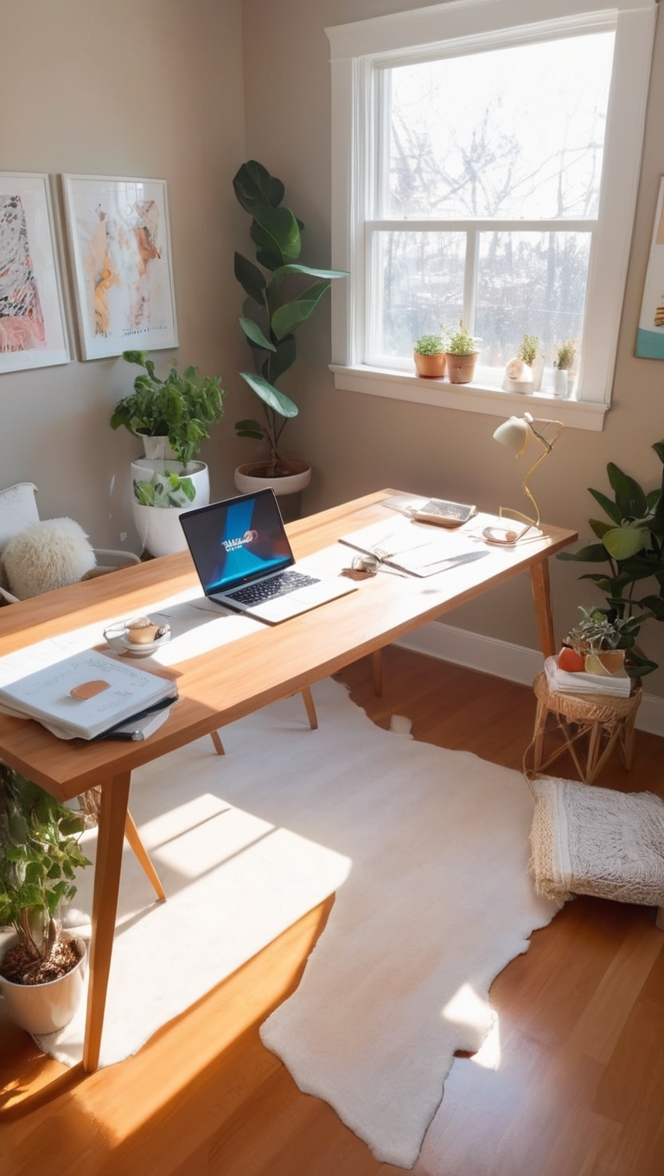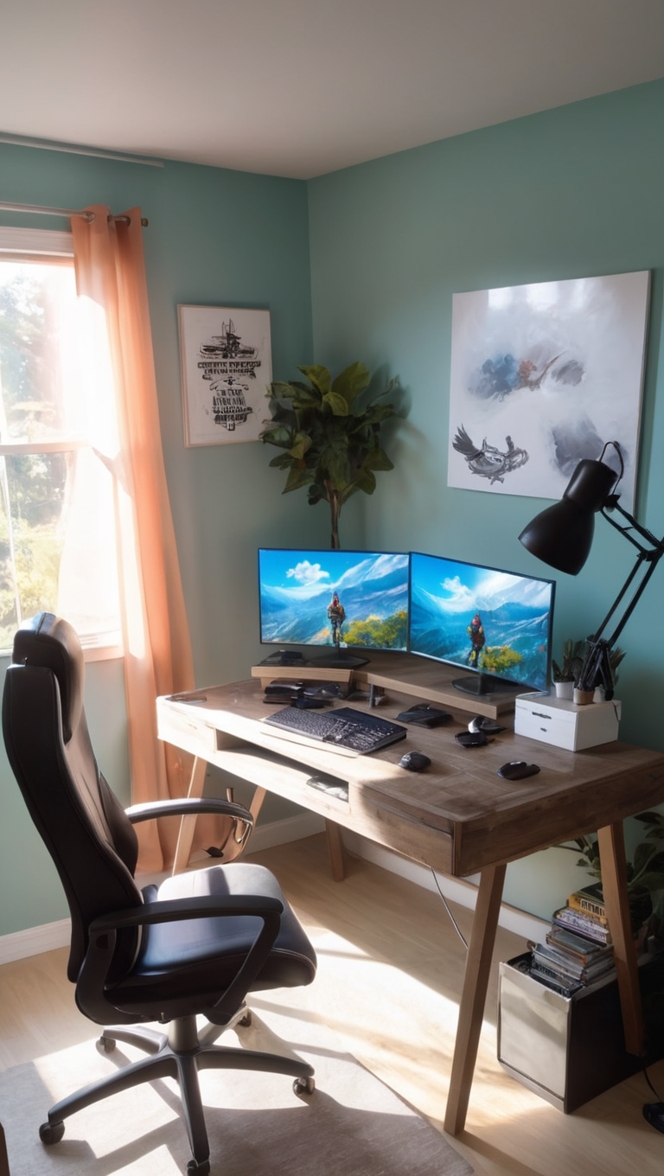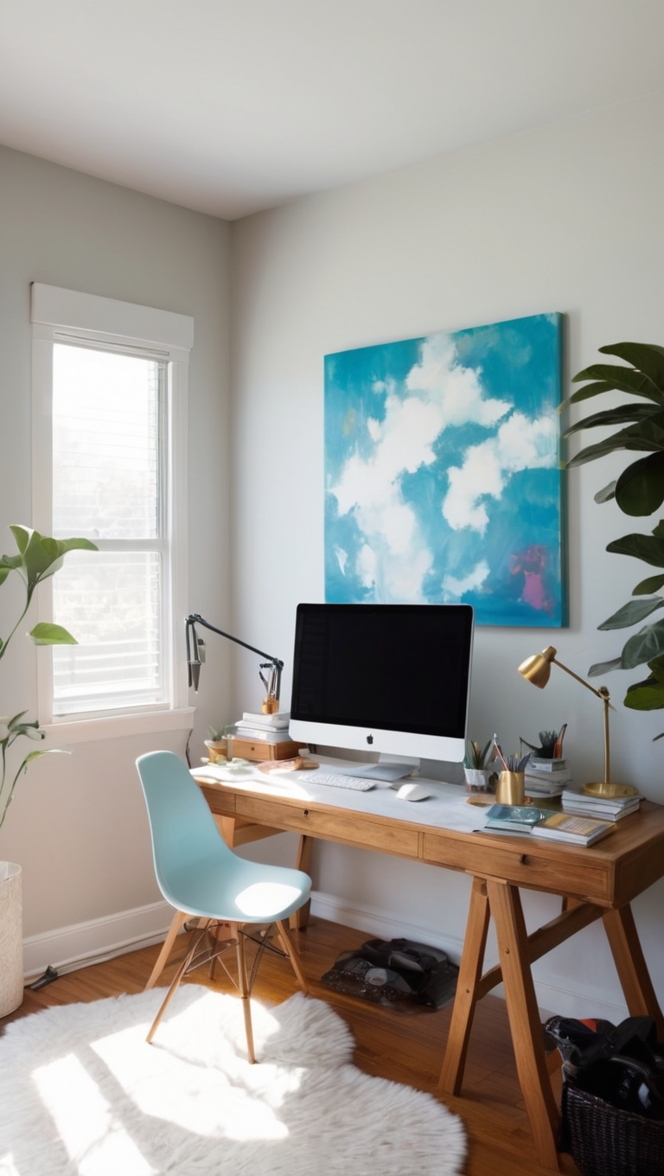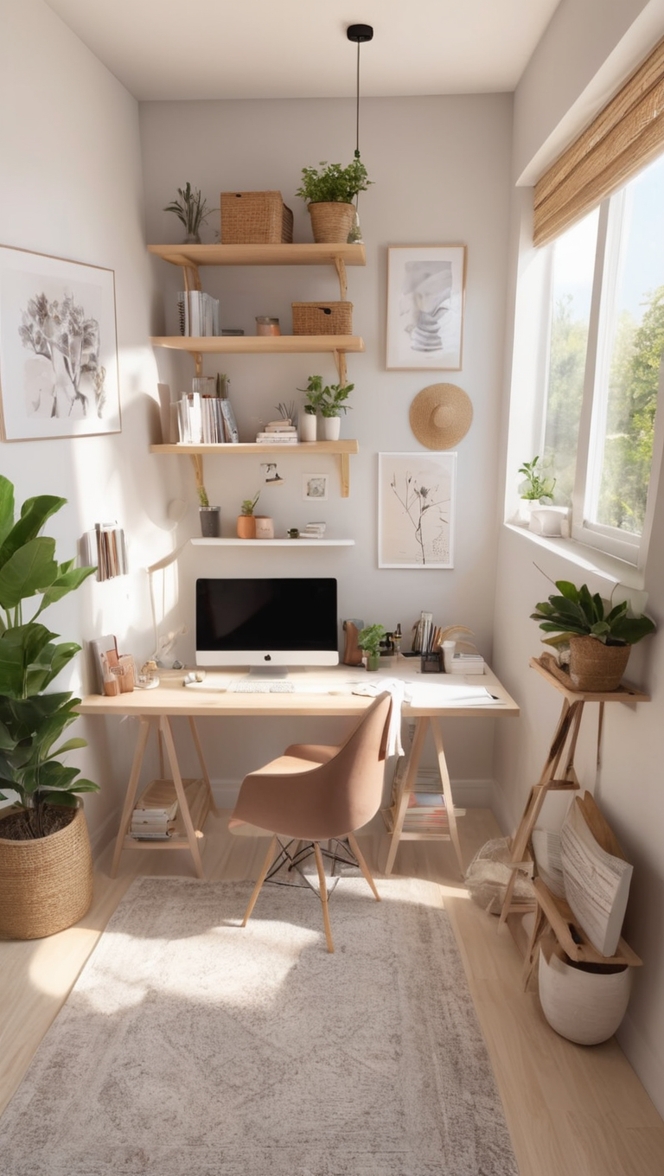
Curious about optimizing your medical coding home office setup? Learn how to excel in remote medical coding jobs.
Disclosure: This post contains affiliate links. We may earn a commission at no extra cost to you.
How can I optimize my medical coding home office setup?
medical coding home office setup
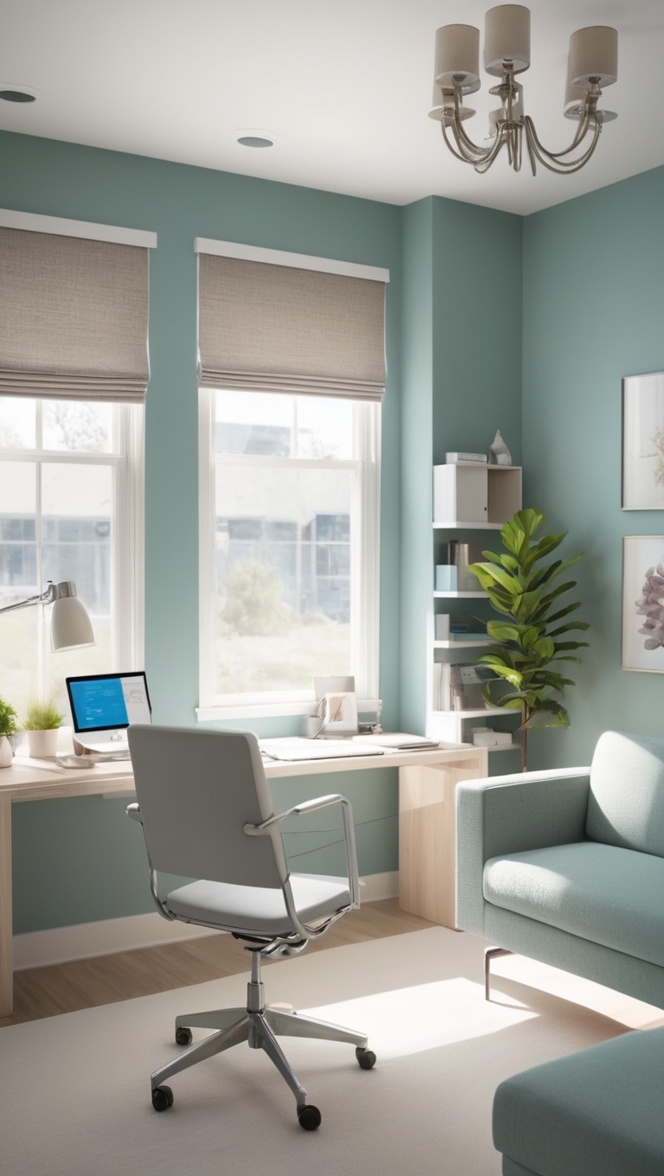
As a homeowner looking to optimize your medical coding home office setup, consider arranging your workspace in a way that promotes productivity and comfort. Ensure you have a dedicated area with ample lighting, ergonomic furniture, and organized storage for supplies. Utilize technology like dual monitors for efficient coding tasks. Implement a filing system for easy access to documents and maintain a clutter-free workspace. Regularly assess and adjust your setup to maximize efficiency and reduce the risk of strain or injury.
How can I optimize my medical coding home office setup??
Setting up a home office for medical coding can be a challenging task, but with the right equipment, workspace design, software, security measures, organizational tools, focus strategies, and work-life balance tips, you can create an efficient and productive work environment. Let’s delve into each aspect in detail:
1. What equipment do I need for a medical coding home office?
As a medical coder working from home, having the right equipment is essential for your daily tasks. You will need a reliable computer or laptop, dual monitors for increased productivity, a comfortable chair to support your posture, a desk with ample workspace, a printer/scanner for document handling, and high-speed internet connectivity for seamless online work.
2. How can I create an ergonomic workspace for medical coding?
Ergonomics play a crucial role in preventing musculoskeletal issues and promoting overall well-being. Ensure that your desk and chair are at the right height to maintain proper posture, position your monitors at eye level to reduce neck strain, use a keyboard and mouse that support wrist comfort, and take regular breaks to stretch and move around.
3. What software is essential for medical coding at home?
Investing in reliable medical coding software is key to streamlining your coding process. Look for software that is user-friendly, offers coding guidelines and references, enables quick code searches, provides error checking features, and ensures compliance with industry standards such as ICD-10 and CPT coding.
4. How can I ensure data security and HIPAA compliance in my home office?
Protecting patient information and maintaining HIPAA compliance is non-negotiable in medical coding. Implement security measures such as encryption for data transmission, password protection for sensitive files, regular backups of data, secure access controls, and adherence to HIPAA regulations when handling patient records.
5. What organizational tools are helpful for medical coding efficiency?
Staying organized is essential for efficient coding workflows. Utilize tools such as coding books and manuals, electronic coding references, coding cheat sheets, color-coded labels for file categorization, task management apps for tracking assignments, and a clutter-free workspace to enhance focus and productivity.
6. How can I minimize distractions and stay focused while coding at home?
Working from home can present various distractions that may hinder your coding productivity. Create a designated workspace free from household distractions, establish a daily routine with set work hours, use noise-canceling headphones to block out noise, take short breaks to recharge, and practice mindfulness techniques to stay focused on your coding tasks.
7. Are there any tips for maintaining work-life balance in a home office setup for medical coding?
Balancing work responsibilities with personal well-being is essential for long-term success in a home office setting. Set boundaries between work and leisure time, schedule regular breaks to rest and recharge, engage in physical activity to combat sedentary work habits, prioritize self-care practices, and seek social connections outside of work to maintain a healthy work-life balance.
By addressing these key aspects of optimizing your medical coding home office setup, you can create a conducive work environment that promotes efficiency, accuracy, security, and well-being in your coding practice. Remember to continuously assess and adjust your setup to meet your evolving needs and enhance your overall coding experience.
12 Unique Ideas to Optimize Your Medical Coding Home Office Setup
Medical coding home office setup
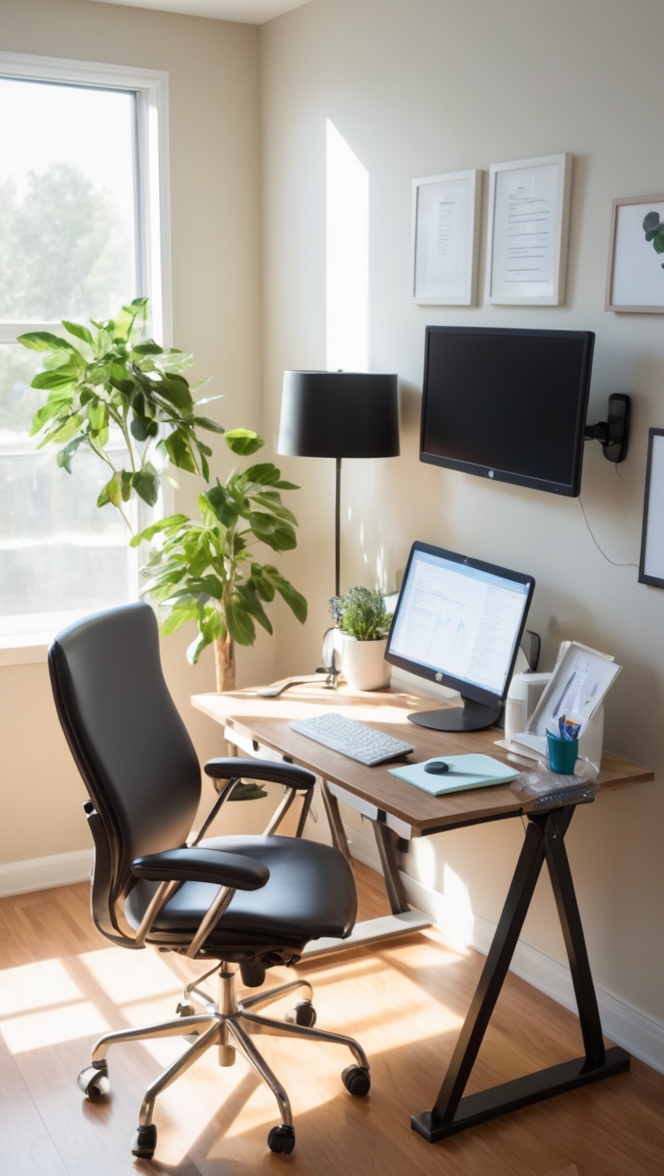
Creating an efficient and comfortable workspace for medical coding at home is essential for productivity and well-being. Here are 12 unique ideas to help you optimize your medical coding home office setup:
1. **Color Psychology**: Choose calming and inspiring paint colors like Sherwin Williams “Sea Salt” or Benjamin Moore “Revere Pewter” to create a soothing atmosphere in your home office.
2. **Ergonomic Furniture**: Invest in a comfortable ergonomic chair and adjustable desk to support proper posture and reduce the risk of back pain or strain.
3. **Natural Lighting**: Position your desk near a window to maximize natural light, which can boost mood and productivity. Consider using sheer curtains to control glare.
4. **Dual Monitors**: Enhance your coding efficiency by using dual monitors to view multiple documents or software applications simultaneously.
5. **Cable Management**: Keep cables and cords organized with cable clips or cord covers to prevent tripping hazards and maintain a tidy workspace.
6. **Standing Desk Option**: Incorporate a standing desk or adjustable desk converter to alternate between sitting and standing throughout the day for better health and focus.
7. **Noise-Canceling Headphones**: Block out distractions and create a quiet work environment with noise-canceling headphones for focused coding sessions.
8. **Personalized Decor**: Add personal touches like motivational quotes, artwork, or plants to make your home office feel inviting and inspiring.
9. **Digital Organization Tools**: Use digital tools like project management software, cloud storage, and task apps to stay organized and streamline your workflow.
10. **Task Lighting**: Supplement natural light with task lighting, such as a desk lamp with adjustable brightness, to reduce eye strain during long coding sessions.
11. **Comfortable Flooring**: Opt for a supportive anti-fatigue mat or area rug under your desk to cushion your feet and reduce fatigue while standing or sitting.
12. **Adjustable Shelving**: Install adjustable shelves or storage units to customize your storage space for coding books, reference materials, and office supplies.
By implementing these 12 unique ideas, you can create a functional and inspiring medical coding home office setup that promotes efficiency, comfort, and well-being. Regularly evaluate and adjust your workspace to ensure it meets your evolving needs and enhances your coding experience.